
Drip vs. Pour-Over vs. French Press: Which Brewing Method Fits You
Compare drip, pour-over, and French press coffee brewing methods on flavor, effort, consistency, batch size, cleanup, and gear.
 By Irene Henderson
Updated November 2, 2026
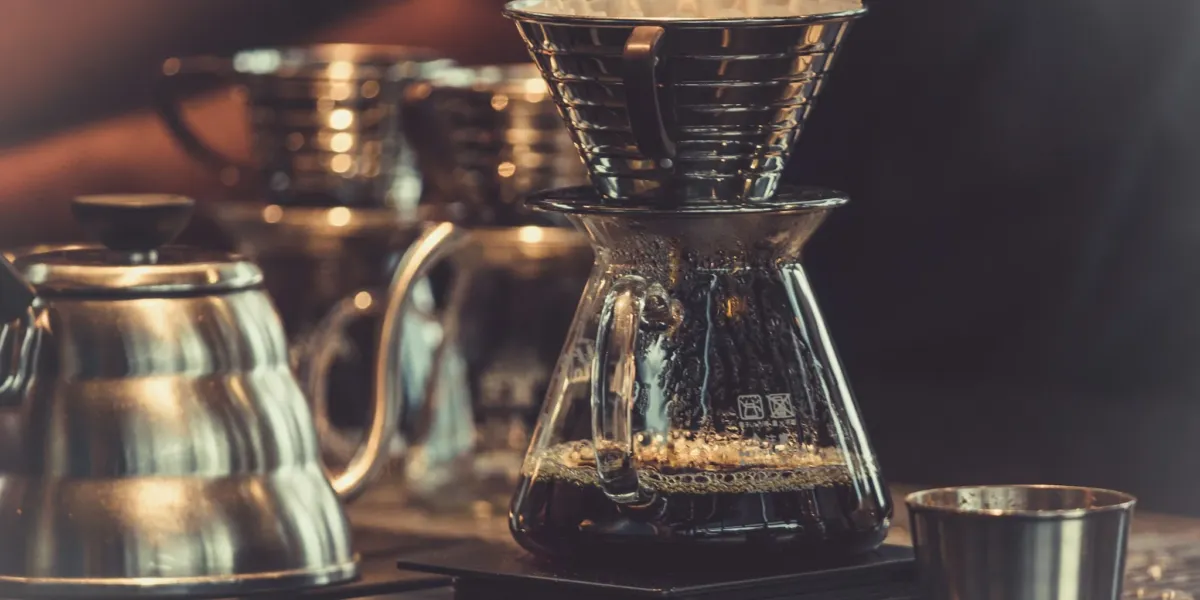
Choosing a coffee brewing method can feel overwhelming when you see so many options on the shelf. Three of the most popular approaches for home brewers are drip coffee makers, pour-over setups, and French presses.
Each one produces a distinctly different cup, and the right choice depends on your taste preferences, daily routine, and how much effort you want to invest.
This guide breaks down the key differences in flavor, convenience, and cleanup so you can decide which method matches your lifestyle.
Flavor and Body Differences
The most noticeable difference between these methods is the final taste and mouthfeel of the coffee. A drip coffee maker typically produces a clean, balanced cup with medium body and moderate acidity.
The paper filter removes most oils and fine particles, resulting in a bright but not heavy brew.
Pour-over coffee, made with a pour-over coffee maker, offers even more clarity and allows you to control extraction by adjusting water flow and temperature. The result is a nuanced, aromatic cup that highlights the bean’s origin characteristics.
French press coffee, on the other hand, uses a metal mesh filter that lets natural oils and fine sediment pass through, creating a rich, full-bodied brew with a heavier mouthfeel and deeper flavor.
If you enjoy a thick, almost syrupy coffee, the French press is your choice.
Effort and Time Requirements
Your morning schedule plays a big role in which method you will actually use consistently. Drip coffee makers are the most hands-off: you fill the reservoir, add grounds, press a button, and walk away.
The National Coffee Association puts drip brewing at about 5 minutes of contact between coffee and water, and you can multitask while the machine runs. Pour-over requires more active attention. You need to heat water, wet the filter, add grounds, and pour water in stages; the National Coffee Association suggests 2 to 4 minutes of total contact time.
It is a ritual that many find meditative, but it is not ideal when you are rushing. A French press is relatively simple: add coarse grounds, pour hot water, stir, wait about 4 minutes as the National Coffee Association suggests, then press the plunger.
The active time is short, but the total steep time adds up. For the quickest cup with minimal fuss, a drip machine wins; for a deliberate, direct experience, pour-over or French press work well.
Consistency and Batch Size
If you need to brew multiple cups at once or want predictable results every time, the method matters. Drip coffee makers excel at consistency because the machine controls water temperature and flow rate.
Most models can brew a full carafe (typically 8 to 12 cups) and keep it hot on a warming plate or in a thermal carafe coffee maker.
Pour-over is harder to replicate perfectly unless you use a gooseneck kettle and a scale, and it is usually limited to one or two servings at a time.
French press can make several cups at once (common sizes range from 8 to 32 ounces), but the brew time and plunger pressure can vary slightly between batches. For large households or consistent morning routines, a drip machine is the most reliable.
For single servings where you enjoy experimenting, pour-over and French press offer flexibility.
Cleanup and Gear Needed
Every method requires some cleaning, but the effort differs. Drip coffee makers involve rinsing the carafe, removing the paper filter with grounds, and occasionally descaling the machine. Pour-over cleanup is simple: discard the paper filter and rinse the dripper.
French press requires more work because you have to scoop out wet grounds and wash the mesh plunger and carafe, often by hand to avoid breaking glass.
In terms of gear, a drip machine is a self-contained appliance, while pour-over needs a dripper, paper filters, a kettle (preferably a gooseneck), and a scale for best results.
A French press needs only the press itself, a kettle, and a spoon. If you prefer minimal equipment and easy cleanup, pour-over is the lightest. If you want a single vessel with no disposable filters, the French press is appealing.
Drip machines are the most gear-heavy but offer a complete package.
Which Should You Choose?
Think about what you value most in your daily cup. If you want a clean, predictable brew that serves the whole family with minimal effort, a drip coffee maker is the practical choice.
If you enjoy exploring single-origin beans and don’t mind spending a few extra minutes on a direct process, a pour-over setup rewards you with bright, complex flavors.
If you crave a bold, full-bodied coffee and prefer a simple device with no paper waste, a French press delivers a rich experience.
Each method has its strengths, and many home baristas own two or even three of these brewers to match their mood.
For a broader look at all types of brewing equipment, browse our collection of coffee makers to see what fits your countertop.
Frequently Asked Questions
Which method is best for beginners?
A drip coffee maker is the easiest to learn because it automates most variables. You just add water and grounds, and the machine handles the rest.
A French press is also beginner-friendly since it requires only a kettle and a timer. Pour-over has a steeper learning curve but is still accessible with practice.
Can I make iced coffee with these methods?
Yes, all three can produce iced coffee. Brew a stronger concentrate and pour it over ice. For a dedicated cold brew setup, you might also explore cold brew coffee makers which steep grounds in cold water for a smooth, low-acid concentrate.
Which method uses the finest grind?
Pour-over and drip machines typically require a medium grind, similar to table salt. French press needs a coarse grind, like breadcrumbs, to avoid clogging the mesh filter and to prevent over-extraction. Using the wrong grind size can lead to bitter or weak coffee.
How long does each method keep coffee hot?
Drip machines with a hot plate keep coffee warm for a while after brewing, though the flavor degrades the longer it sits. Thermal carafe models retain heat longer without burning the coffee.
Pour-over and French press coffee should be served immediately; you can transfer it to a thermos if you need to hold it.
Is one method more environmentally friendly?
French press produces no paper waste, making it the most eco-friendly option. Pour-over and drip machines use paper filters, but you can find compostable or reusable cloth filters. Drip machines also consume electricity during brewing and warming.
About the author
Writes the brewing guides and buying explainers at CoffeeMakerLab.