
How to Choose a Burr Coffee Grinder for Home Brewing
Learn the differences between conical and flat burrs, steel and ceramic, electric and manual, and how to pick a burr grinder for espresso or filter coffee.
 By Irene Henderson
Updated October 31, 2026
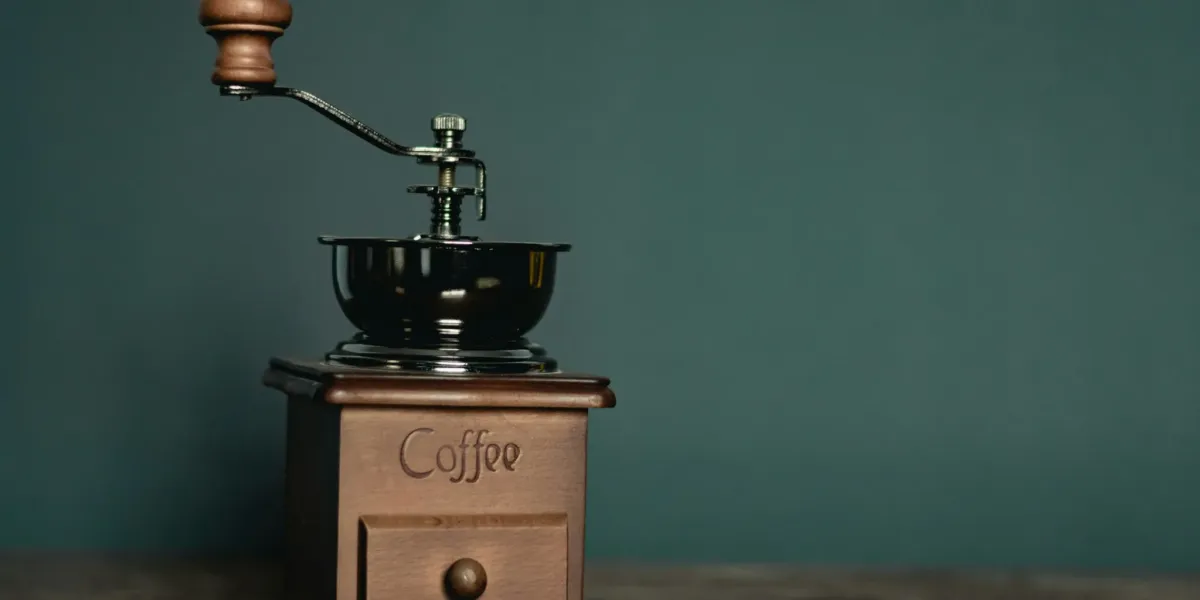
If you are serious about brewing better coffee at home, a burr grinder is one of the most important upgrades you can make. Blade grinders chop beans unevenly, leading to bitter or sour shots.
Burr grinders crush beans between two surfaces, producing consistent particle sizes that unlock the full flavor of your coffee. But with so many options on the market, choosing the right burr grinder can feel overwhelming.
This guide breaks down the key decisions: conical versus flat burrs, steel versus ceramic, electric versus manual, and what to look for depending on your brew method.
Conical vs. Flat Burrs: Which Shape Suits Your Style?
The shape of the burrs affects grind consistency, noise, and retention. Conical burrs have a cone-shaped inner burr and a ring-shaped outer burr. They tend to be quieter, produce less heat, and retain fewer coffee grounds inside the grinder.
Many home brewers prefer conical burrs for single-dosing and for brew methods like pour-over or French press.
Flat burrs consist of two parallel rings. They are common in espresso-focused grinders because they produce a very uniform particle size, which helps with even extraction under pressure.
However, flat burrs are often louder, generate more heat during grinding, and can hold onto more coffee grounds between uses. For espresso drinkers who prioritize consistency, flat burrs are a strong choice.
If you brew both espresso and filter coffee, a grinder with conical burrs offers more versatility. Many high-end burr grinders designed for home use rely on conical burrs to cover a wide grind range.
Steel vs. Ceramic Burrs: Material Matters
The material of the burrs influences durability, sharpness, and heat transfer. Steel burrs are tough and grind quickly, but they can dull over time, especially if you grind very hard beans or in large quantities.
High-quality steel burrs are common in electric grinders and can last for years with proper care.
Ceramic burrs are harder and stay sharp longer, but they are more brittle. Dropping a ceramic burr can cause it to chip. They also generate less heat during grinding, which some believe preserves more aromatic compounds.
However, ceramic burrs tend to be slower and are often found in manual grinders. For most home brewers, the difference in flavor between steel and ceramic is subtle; choose based on your budget and how much you plan to grind.
Electric vs. Manual Grinders: Convenience vs. Control
Electric grinders offer speed and consistency with the push of a button. They are ideal for busy mornings or when you need to grind large batches. However, they take up counter space, can be noisy, and often cost more.
Manual grinders are portable, quiet, and usually more affordable. They also give you full control over the grind speed and feel, which can be satisfying for a ritualistic brewer.
If you travel or have limited counter space, a manual grinder makes sense. Many manual coffee grinders now feature high-quality burrs that rival electric models in consistency. For espresso, electric grinders are more convenient because they can produce fine, precise adjustments quickly.
Grind Setting Range: From Espresso to French Press
A burr grinder’s range of grind sizes determines which brew methods it can handle. Espresso requires a very fine, uniform grind, while French press needs a coarse, consistent one.
Look for a grinder that offers stepless or fine-step adjustments, especially if you brew espresso. Even small changes in grind size can dramatically affect extraction time and flavor.
For filter methods like pour-over or drip, a grinder with a wide range of medium grinds is sufficient. Many dedicated espresso grinders have a narrower range optimized for fine grinds, so if you also brew filter coffee, a more versatile grinder is better.
Retention and Cleaning: Keeping Coffee Fresh
Retention refers to the coffee grounds that stay inside the grinder after each use. High retention can cause stale coffee to mix with fresh grounds, affecting flavor. Low-retention designs, often found in single-dose grinders, minimize this issue.
Cleaning your grinder regularly prevents oil buildup and keeps burrs performing well. Most burr grinders require disassembly for deep cleaning every few weeks, depending on use.
If you switch between different beans or brew methods, a grinder with easy access to the burrs for cleaning is a plus. Some models have removable burrs that simplify maintenance.
When a Blade Grinder Is Enough
Not everyone needs a burr grinder. If you use pre-ground coffee or only brew occasionally with a simple drip machine, a blade grinder can still produce acceptable results.
Blade grinders are inexpensive and compact, but they produce uneven particles that can lead to inconsistent extraction. For the best flavor from whole beans, a burr grinder is a worthwhile investment.
If you are curious about the difference, check out some blade coffee grinders to see what they offer.
Frequently Asked Questions
What is the difference between a burr grinder and a blade grinder?
A burr grinder uses two abrasive surfaces to crush beans into uniform particles, while a blade grinder chops beans with a spinning blade. Burr grinders produce consistent grinds essential for good extraction; blade grinders are cheaper but less consistent.
Can I use a burr grinder for espresso?
Yes, but you need a grinder that can grind fine enough and offers precise adjustments. Many burr grinders are designed specifically for espresso, with stepless or micro-adjustment settings. Look for models with a narrow fine-grind range.
How often should I clean my burr grinder?
Every few weeks for regular use, or whenever you notice a change in grind consistency or flavor. Oily beans can require more frequent cleaning. Use a brush and, if recommended by the manufacturer, a grinder cleaning tablet.
Are manual grinders good for espresso?
Some high-end manual grinders can produce espresso-fine grinds, but they require more effort and time. They are great for travel or occasional espresso, but for daily use an electric grinder is more convenient.
What size burrs should I look for?
Larger burrs generally grind faster and more consistently, but they also cost more. For home use, burr size matters less than burr quality and alignment, so check the burr type and the adjustment range before comparing diameters. For espresso, larger burrs can help with heat management and speed.
For a complete overview of different grinder types, visit our coffee grinders category page.
About the author
Writes the brewing guides and buying explainers at CoffeeMakerLab.