
Coffee Grind Size Chart: How to Choose the Right Grind for Any Brew Method
Learn how to choose the right coffee grind size for every brew method.
 By Irene Henderson
Updated November 10, 2026
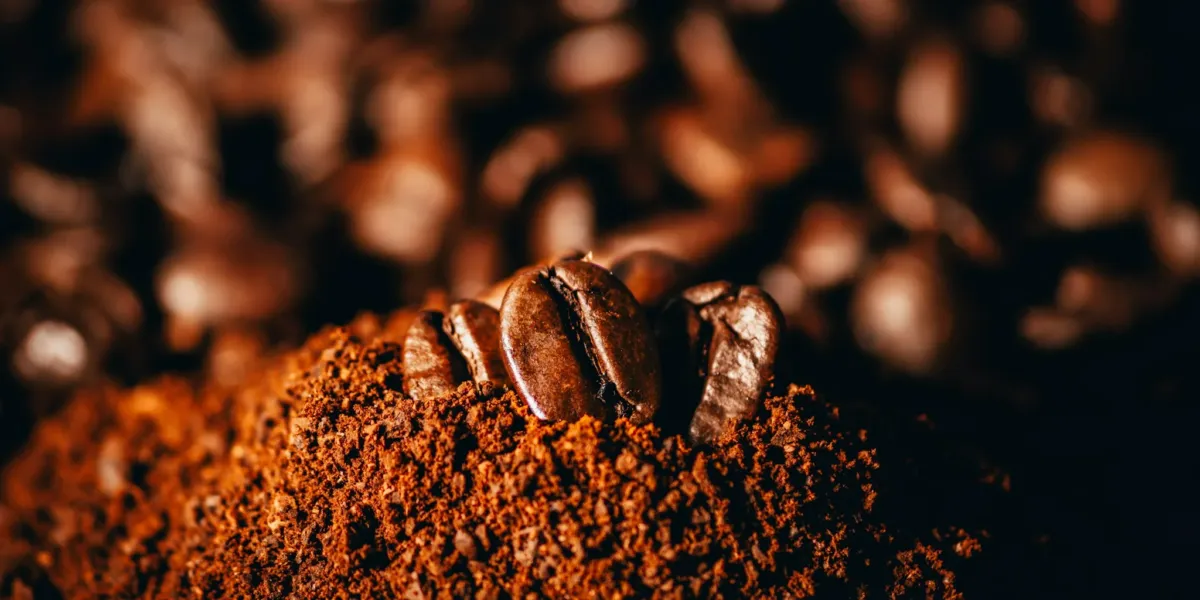
If you have ever brewed a cup of coffee that tasted sour, bitter, or just plain weak, the grind size is likely the culprit. Coffee grind size controls how quickly water extracts flavor from the grounds.
Too fine and you over-extract, getting bitterness. Too coarse and you under-extract, getting sourness. Understanding the right grind size for each brewing method is one of the simplest ways to improve your daily cup.
This guide explains the range from extra coarse to extra fine, which methods pair with each, how to recognize the size by look and feel, and how to adjust when your coffee is off.
Understanding Coffee Grind Sizes
Coffee grind sizes are typically described on a spectrum from extra coarse to extra fine. Each size is designed for a specific contact time between water and grounds. Here is a quick overview of the common categories:
- Extra coarse: resembles peppercorns or coarse sea salt. Used for cold brew, which the National Coffee Association says typically steeps for about 12 hours.
- Coarse: looks like rough breadcrumbs or kosher salt. Ideal for French press and percolators.
- Medium-coarse: slightly finer than coarse, like rough sand. Works well for Chemex and some pour-over setups.
- Medium: feels like regular sand. The go to for most drip coffee makers and siphon brewers.
- Medium-fine: finer than sand, like table salt. Common for Aeropress (with longer brew times), cone shaped pour-over, and some moka pots.
- Fine: finer than table salt but still slightly gritty. Used for espresso.
- Extra fine: almost dust-like, similar to flour or powdered sugar. Used for Turkish coffee.
Note that these descriptions are visual guides. The exact particle size depends on your grinder and its calibration. A burr coffee grinder gives the most consistent results, while blade grinders produce uneven particles that can lead to mixed extraction.
Coffee Grind Size Chart
Use this coffee grind size chart as a starting point, then adjust by taste as described below. The descriptions are visual guides, and the exact setting depends on your grinder.
| Brew method | Grind size | Looks like |
|---|---|---|
| Cold brew | Extra coarse | Peppercorns or coarse sea salt |
| French press | Coarse | Rough breadcrumbs or kosher salt |
| Percolator | Coarse | Rough breadcrumbs or kosher salt |
| Chemex | Medium-coarse | Rough sand |
| Drip coffee maker | Medium | Regular sand |
| Cone pour-over (such as Hario V60) | Medium-fine | Table salt |
| Moka pot | Medium-fine | Table salt |
| AeroPress | Medium-fine to fine | Table salt or slightly finer |
| Espresso | Fine | Finer than table salt, still slightly gritty |
| Turkish coffee | Extra fine | Flour or powdered sugar |
A hand grinder can cover most of this chart; see our best manual coffee grinders for options.
Matching Grind Size to Brew Method
Every brewing method has a recommended grind size based on brew time and water temperature. Here is a breakdown for the most popular methods at home:
Cold Brew
Cold brew uses long steeping times in cold or room temperature water (OXO’s instructions call for 12 to 24 hours), so you need an extra coarse grind. This prevents over-extraction and keeps the final concentrate smooth and low in acidity.
If you are new to cold brew, check out cold brew coffee makers designed for easy steeping and filtering.
French Press
French press uses a mesh plunger and, according to the National Coffee Association, about 4 minutes of contact time. A coarse grind is standard because finer particles can slip through the mesh and make the cup muddy.
Many French press coffee makers work best with a grind that looks like rough breadcrumbs. If your coffee tastes weak, try grinding slightly finer; if it tastes bitter or has sludge at the bottom, go coarser.
Drip Coffee Makers
Automatic drip machines certified to Specialty Coffee Association standards hold brewing water between about 197.6°F and 204.8°F, and the National Coffee Association puts drip contact time at about 5 minutes. A medium grind resembling sand is the standard starting point.
Most drip coffee makers come with a basket that works best with medium ground coffee. Adjust finer if the brew is weak, coarser if it is bitter.
Pour-Over
Pour-over methods like Hario V60 or Chemex require a medium-fine to medium-coarse grind, depending on the filter and pour rate.
A medium-fine grind (like table salt) is common for cone shaped drippers, while Chemex often calls for a medium-coarse grind. Experiment with pour-over coffee makers to find your preferred balance.
A finer grind increases extraction and body; a coarser grind gives a cleaner, lighter cup.
Aeropress, Moka Pot, and Espresso
Aeropress is versatile: grind size can range from medium-fine to fine, depending on brew time and pressure. Moka pot typically uses a medium-fine grind (like table salt); going much finer can clog the filter.
Espresso requires a fine grind to create enough resistance for brewing pressure, which a barista survey published by the Specialty Coffee Association found averages about 9 bars. For espresso, a dedicated espresso grinder is essential for precise adjustment.
How to Recognize Grind Size by Look and Feel
You can often identify grind size without a ruler. Spread a pinch of grounds on a white plate or paper towel. Extra coarse particles look like small pebbles. Coarse resembles rough breadcrumbs. Medium looks like sand. Fine feels like flour.
Extra fine is almost dust. If you see a mix of large chunks and fine powder, your grinder may need calibration or an upgrade. Consistent particle size is key to even extraction.
Another clue: the texture between your fingers. Coarse grounds feel gritty and separate easily. Fine grounds clump together. Medium grounds feel like damp sand.
If you are unsure, compare your grind to a reference photo online or use a grind size card available from many coffee roasters.
Adjusting Grind Size to Fix Sour or Bitter Coffee
When your coffee tastes sour (like lemon or vinegar), it is likely under-extracted. The water passed through too quickly, pulling only the bright acids. To fix this, grind finer. Finer grounds have more surface area and slow the flow of water, so more flavor is extracted and the cup tastes more balanced.
When your coffee tastes bitter (like ash or dark chocolate that lingers unpleasantly), it is likely over-extracted. The water pulled out too many bitter compounds. To fix this, grind coarser. This lets water flow faster and reduces extraction time.
Make small adjustments: change the grind setting by one or two notches at a time. Brew another cup and taste. If the flavor improves but is still off, adjust further.
Keep notes on your grind setting and brew ratio (for pour-over, the National Coffee Association suggests 1:13 to 1:16 coffee to water). With a little practice, you can dial in any coffee to your preference.
Frequently Asked Questions
What grind size is best for French press?
A coarse grind is standard for French press. It should look like rough breadcrumbs or kosher salt. This size prevents grounds from passing through the mesh and keeps the cup clean.
Can I use pre-ground coffee for pour-over?
Yes, but pre-ground coffee is usually a medium grind that works for many drip machines. For pour-over, you may get better results by grinding your own beans to a medium-fine consistency, which allows more control over-extraction.
How do I know if my grind is too fine for cold brew?
If your cold brew tastes overly bitter or has a muddy texture, the grind is likely too fine. Cold brew requires an extra coarse grind to avoid over-extraction during the long steep.
Switch to a coarser setting and filter through a fine mesh or paper filter.
Does the grind size affect caffeine content?
Grind size influences extraction, but caffeine is extracted quickly. A finer grind may extract slightly more caffeine, but the difference is small compared to brew ratio and contact time. Focus on flavor rather than caffeine when adjusting grind.
What if my coffee tastes both sour and bitter?
This usually indicates uneven extraction, often from inconsistent grind particles. A blade grinder can produce a mix of fines and boulders. Switching to a burr grinder gives a more uniform particle size. Also check your water temperature and brew time to ensure even extraction.
About the author
Writes the brewing guides and buying explainers at CoffeeMakerLab.