
How to Descale a Coffee Maker: A Step-by-Step Guide for Better Flavor
Learn how to descale your coffee maker effectively. Identify signs of scale buildup, choose the right solution, and follow a simple step-by-step process.
 By Irene Henderson
Updated November 4, 2026
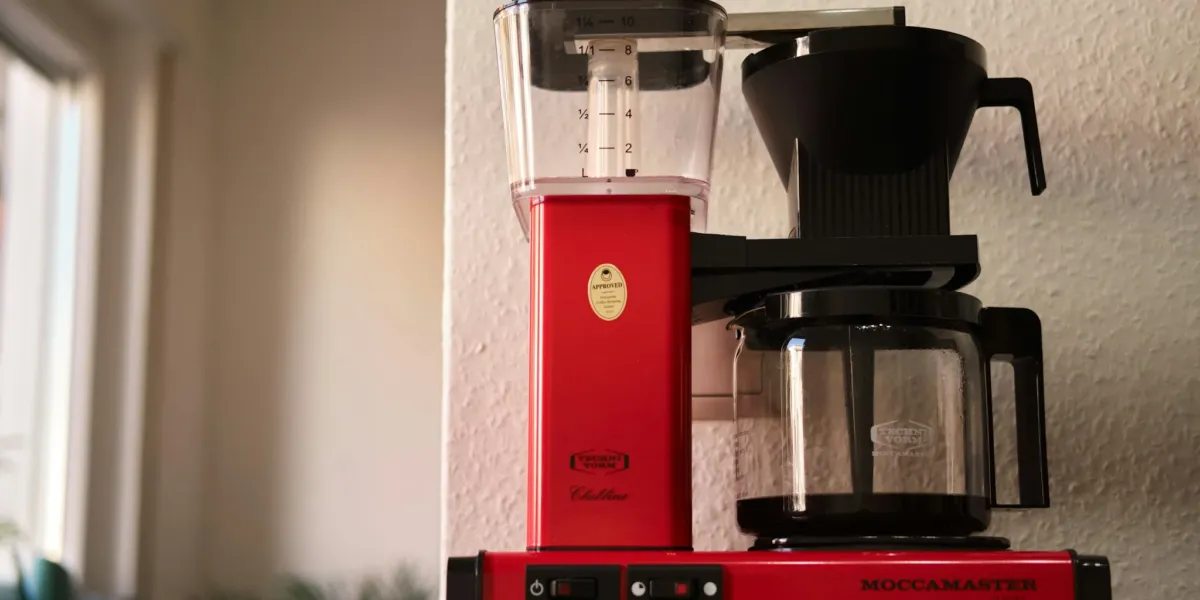
If your morning cup of coffee has started tasting a bit off or your machine seems to be taking longer than usual, mineral scale could be the culprit.
Hard water leaves behind calcium and magnesium deposits that build up inside your coffee maker over time. These deposits can clog internal passages, affect brewing temperature, and leave a chalky aftertaste.
Understanding how to descale your coffee maker is a simple but essential skill that keeps your equipment running well and your coffee tasting clean.
What Is Coffee Maker Scale and Why Does It Matter?
Every time water heats up in your coffee maker, trace minerals left behind from hard water accumulate on the heating element and internal plumbing. This buildup, often visible as white or yellowish crust, acts as an insulator.
It forces the machine to work harder to reach the proper brew temperature and can cause inconsistent extraction. Even if you start with quality beans and a clean drip coffee maker, scale can steal the nuance from your brew.
Regularly descaling removes that layer and restores your machine’s ability to maintain the optimal water temperature.
Recognizing When Your Machine Needs Descaling
Your coffee maker may not have a dedicated descaling light, but it will give you clues. Common signs include a noticeably longer brew cycle, louder operation, steam escaping from unusual places, and a metallic or flat taste in your coffee.
For single-serve coffee makers, you might notice the machine struggles to fill your cup or leaves more sediment than usual. If you see white flakes in your carafe or on the warming plate, scale has already built up significantly.
Once you spot these indicators, it is time to plan a descaling session.
Choosing the Right Descaling Solution
Manufacturers often recommend specific commercial descalers because they are formulated to dissolve scale quickly without damaging internal seals or metals. White vinegar is a common household alternative, but it is more acidic and may affect rubber gaskets over time.
Always check your owner’s manual first. If the manufacturer suggests a particular descaling product, it is usually best to follow that advice.
For those using vinegar, Mr. Coffee suggests using around half as much vinegar as water, though you may need to run several rinse cycles afterward to eliminate any lingering smell or taste.
This principle applies equally to espresso machines, from semi-automatic espresso machines to super-automatics, but pay attention to any unique instructions for your model.
How to Descale a Coffee Maker, Step by Step
The basic process for most coffee makers follows a similar pattern. First, empty the water reservoir and remove any used grounds or pods. Fill the reservoir with the descaling solution you have chosen according to the recommended ratio.
Start a brew cycle without coffee, and when it finishes, let the solution sit for 15 to 30 minutes, as Mr. Coffee recommends, to break down deposits. Next, discard the liquid and rinse the carafe thoroughly.
Fill the reservoir with fresh water and run several full cycles of fresh water to flush out any remaining solution. Some machines have a dedicated descaling mode that automates this sequence.
For other coffee maker types such as pour-over or French press, descaling is less frequent because the heating element is not involved, but you should still clean parts regularly.
How Often Should You Descale?
The frequency depends largely on the hardness of your tap water. If you live in an area with very hard water, you may need to descale more often; follow your manual or the machine’s descaling alert.
With soft or filtered water, you can descale less often. Some machines display a descaling reminder light or prompt.
As a general rule, if you notice any of the signs mentioned earlier, do not wait for a calendar date. Using filtered water can reduce the rate of scale buildup and may also improve the taste of your coffee.
This practice is relevant whether you own a drip brewer, a single-serve machine, or an espresso machine model.
Frequently Asked Questions
How often should I descale my coffee maker?
It depends on water hardness and how often you brew. As a general starting point, follow the schedule in your manual or the machine’s descaling alert. If you notice reduced flow or off-tastes, do it sooner.
Can I use vinegar instead of a commercial descaler?
Yes, vinegar can work: Mr. Coffee suggests using around half as much vinegar as water, but check your manual first. Vinegar may damage some rubber seals over time. Commercial descalers are often safer for the machine’s internal parts.
What if my coffee maker has a descaling program?
Follow the machine’s instructions. The descaling mode typically heats the solution and pauses for soaking automatically. After the cycle, always rinse with fresh water thoroughly.
Will descaling remove all traces of taste from previous brews?
Descaling focuses on mineral buildup, not coffee oil residues. For a thorough clean, you may also need to wash the carafe, filter basket, and any removable parts with mild soap and water regularly.
About the author
Writes the brewing guides and buying explainers at CoffeeMakerLab.