
How to Store Coffee Beans for Maximum Freshness
Store coffee beans away from air, light, heat, and moisture. Learn which container to choose, where to keep it, and when freezing makes sense.
 By Irene Henderson
Updated October 12, 2026
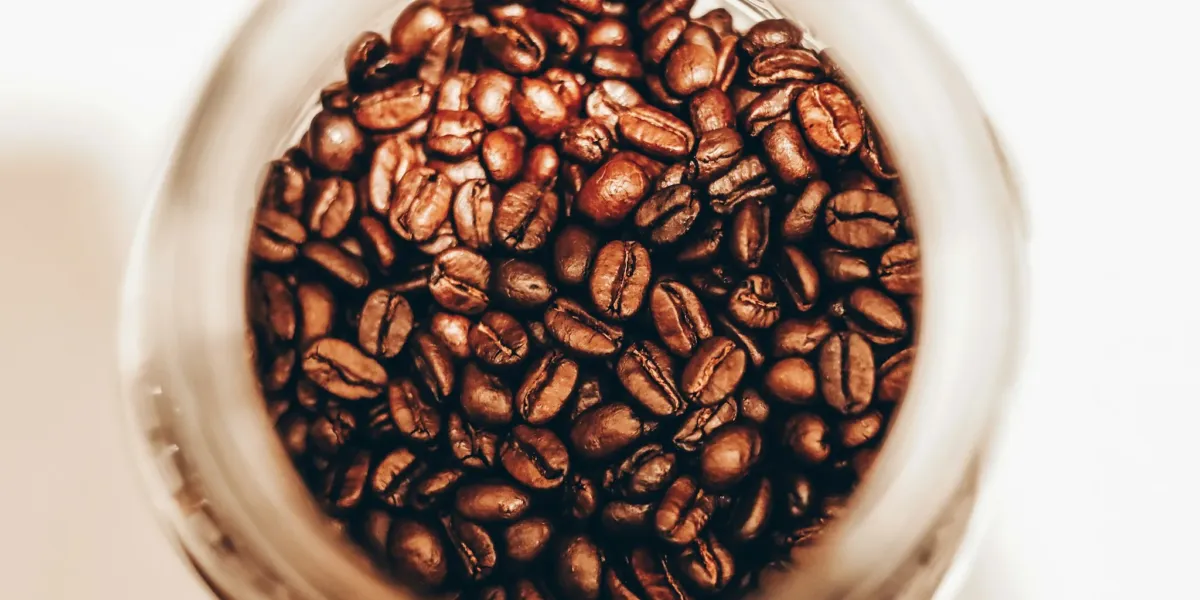
You bring home a bag of freshly roasted coffee beans, excited for that first cup. But over time, the rich aroma fades and the flavor turns flat. Coffee is perishable, and improper storage accelerates staling.
The good news is that with a few simple strategies, you can keep your beans tasting vibrant for weeks after the roast date.
This guide explains the science of coffee freshness and the practical steps you can take to protect your beans from the elements that degrade them.
The Main Enemies of Coffee Freshness
Four factors conspire to ruin your coffee: air, light, heat, and moisture. Oxygen triggers oxidation, which dulls flavor and creates stale, cardboard like notes. Ultraviolet rays from direct sunlight accelerate chemical breakdown.
High temperatures cause oils to evaporate and degrade, while moisture promotes mold and off flavors. An airtight, opaque container in a cool, dark cabinet addresses all these threats at once.
Whole Beans vs. Pre-Ground: Why Grinding Matters
Whole beans have a vastly longer shelf life than pre-ground coffee because the protective outer structure keeps volatile aromatic compounds inside. Once you grind, the surface area increases exponentially and staling begins within minutes.
For the best flavor at home, buy whole bean coffee and grind only what you need right before brewing. If convenience demands pre-ground coffee, purchase smaller quantities more frequently and use it soon after opening.
The same storage principles apply to both forms, but whole beans give you a wider window of peak freshness.
Pre-ground coffee from a reputable roaster can still taste good if you store it properly.
Many home brewers who rely on drip machines or French presses find that a well sealed bag of ground coffee works well when used quickly. The key is to minimize the time between grinding and drinking.
Choosing the Best Container for Coffee Storage
The container you use matters as much as the location. Look for these features:
- Airtight seal to block oxygen from entering.
- Opaque material (ceramic, stainless steel, or dark glass) to block light.
- One way valve that lets carbon dioxide escape without letting air in, common in roaster bags but also available in some canisters.
- Vacuum seal options that remove air entirely for longer storage.
A simple mason jar with a tight lid works, but it allows light in unless stored in a dark cabinet. For optimal conditions, many home baristas rely on dedicated coffee canisters designed to block light and maintain an airtight environment.
Avoid clear glass jars on your countertop; they expose beans to damaging light all day.
Where to Store Your Coffee Beans
A cool, dark, and dry pantry or cupboard is the ideal spot. Keep beans away from the stove, dishwasher, or any heat source.
The refrigerator is not recommended: temperature fluctuations and moisture from the fridge can condense inside the bag, ruining the beans. The freezer, however, can be a good tool if used correctly.
Can You Freeze Coffee Beans?
Freezing coffee beans is a debated topic, but it can extend freshness for months when done right. Follow these rules:
- Portion beans into the exact amount you will use for one brew session (e.g., 20 grams).
- Place each portion in a small, airtight bag or container, squeezing out as much air as possible.
- Only thaw once. Never refreeze beans that have been taken out.
- Grind directly from frozen; do not let the beans come to room temperature first, as condensation will form.
If you buy coffee in bulk, freezing individual doses is a practical way to preserve flavor without waste.
Just remember that the freezer is not a magic cure: beans stored at room temperature in a proper container still taste better if consumed within a few weeks of roasting.
How Long Do Coffee Beans Stay Fresh?
Freshness starts at the roast date. The Specialty Coffee Association notes that whole bean coffee can reasonably be considered fresh within about three weeks of roasting, and the National Coffee Association suggests buying only enough beans for one or two weeks at a time.
After that window, the nuanced notes fade and the cup becomes dull. Pre-ground coffee loses its character much sooner.
Trust your nose and palate: if the beans smell flat or the brew tastes hollow, it is time for a new bag.
For longer term storage, look for coffee accessories that help you maintain an ideal environment, such as vacuum sealers or ceramic canisters.
Many roasters print a “roasted on” date rather than a “best by” date. That is the most reliable indicator of freshness. Beans from a grocery store shelf may have been roasted months earlier; always check the date before buying.
Frequently Asked Questions
Is it okay to store coffee beans in the refrigerator?
No. The fridge introduces moisture and temperature changes that cause condensation inside the bag, leading to stale or moldy beans. A cool, dark pantry is far better.
How can I tell if my coffee beans are stale?
Stale beans lose their strong aroma and smell like cardboard or hay. The brewed coffee will taste flat, sour, or dusty, without the bright, complex notes you expect.
Should I buy whole beans or ground coffee for storage?
Whole beans keep their flavor much longer than ground coffee. If you can grind at home, whole beans are the clear choice. If you must buy ground, buy small bags and use them soon after opening.
Can I reuse coffee beans or grounds after brewing?
No. Once coffee is brewed, almost all flavor and aromatic compounds have been extracted. Reusing grounds yields a weak, bitter, and muddy cup. Always start with fresh beans for each brew.
Does the roast date really matter?
Yes. Coffee is at its best within a few weeks of roasting. Bags without a roasted on date may be months old. Always look for a roast date and use it as your guide for when to buy and consume.
About the author
Writes the brewing guides and buying explainers at CoffeeMakerLab.