
How to Use a Moka Pot
A complete guide to brewing strong, rich coffee with a Moka pot.
 By Irene Henderson
Updated November 10, 2026
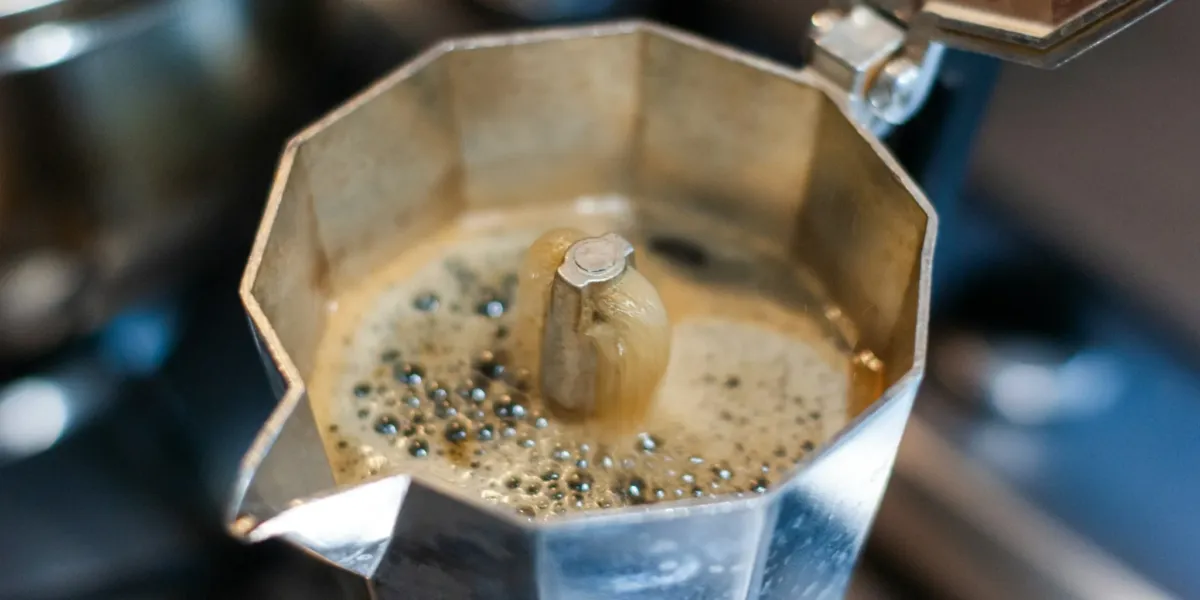
The Moka pot, a classic stovetop coffee maker, produces a rich and concentrated brew that many coffee lovers enjoy. However, getting good coffee from a Moka pot requires understanding its unique brewing method.
This guide walks you through each step, from preparing the pot to avoiding common pitfalls, so you can consistently brew a delicious, balanced coffee.
Understanding the Parts of a Moka Pot
A typical Moka pot consists of three main chambers: the bottom base (boiler), the middle funnel basket, and the top collector chamber. The bottom base holds water up to the safety valve. The funnel basket holds the coffee grounds.
The top chamber features a filter plate and a gasket that seals the connection. Knowing these parts helps you assemble and operate the pot correctly.
Choosing the Right Grind Size
Grind size is critical for Moka pot brewing. You want a medium-fine grind that resembles table salt. Too coarse and the water will flow through too quickly, resulting in weak and sour coffee.
Too fine, and the coffee may clog the filter, leading to bitter and burnt tastes. For consistent results, use a burr coffee grinder rather than a blade grinder.
If you prefer a manual option, a manual coffee grinder also gives you precise control.
Filling the Basket and Adding Water
Fill the funnel basket with coffee grounds without tamping. Simply level off the top with a finger or the back of a knife. Tamping creates too much resistance and can cause the pot to over pressure or sputter.
For the water, fill the bottom base up to just below the safety valve. Bialetti’s own guidance calls for room temperature water in the bottom chamber and recommends brewing on low heat, allowing all the time necessary.
Brewing on the Stove
Screw the top chamber onto the base tightly. Place the Moka pot on the stove over low heat. As the water heats, it creates steam pressure that pushes water through the coffee grounds and up into the top chamber.
Listen for a low, steady gurgling sound. When the stream turns from dark brown to a lighter yellow and begins to sputter, remove the pot from the heat immediately. Pour and enjoy.
Common Mistakes and How to Fix Them
Bitterness or a burnt taste usually comes from over-extraction caused by grinding too fine, using too high heat, or leaving the pot on the stove too long.
Sputtering can happen if the grind is uneven, if the basket is overfilled, or if the heat is too high. Always clean your Moka pot after each use with water only (soap can damage the metal and affect flavor).
Check the gasket and filter regularly. A worn gasket can cause leaks and loss of pressure. Replace it as needed.
What to Expect from Moka Pot Coffee
Moka pot coffee is strong and bold, but it is not true espresso. Bialetti notes that modern espresso machines use at least 9 bars of pressure, while a Moka pot uses about 1.5 bars from steam.
The result is a thicker, more concentrated coffee than a standard drip, but with a slightly different body and crema. If you are curious about other pressure based brewers, consider manual espresso makers for a closer approximation of espresso.
For those who prefer a simpler stovetop method, a Moka pot remains a reliable and affordable choice.
Frequently Asked Questions
Why is my Moka pot coffee bitter?
Bitterness often results from water that is too hot, a grind that is too fine, or leaving the pot on the stove after the brew is finished. Try using a slightly coarser grind and removing the pot as soon as you hear sputtering.
Should I use cold or hot water?
Room temperature water. Bialetti’s guidance calls for room temperature water in the bottom chamber and recommends brewing on low heat, allowing all the time necessary.
Do I need to tamp the coffee in a Moka pot?
No, tamping is not necessary and can cause excessive pressure and sputtering. Simply fill the basket and level it off gently.
How do I clean a Moka pot?
Disassemble the pot and rinse all parts with warm water. Avoid soap to prevent lingering flavors. Allow all pieces to dry completely before reassembling. The gasket and filter should be replaced every few months depending on use.
Can I use a Moka pot on an induction stove?
Only if your Moka pot is made of magnetic stainless steel. Traditional aluminum Moka pots are not induction compatible. Check your pot’s base or the manufacturer’s specifications.
About the author
Writes the brewing guides and buying explainers at CoffeeMakerLab.